

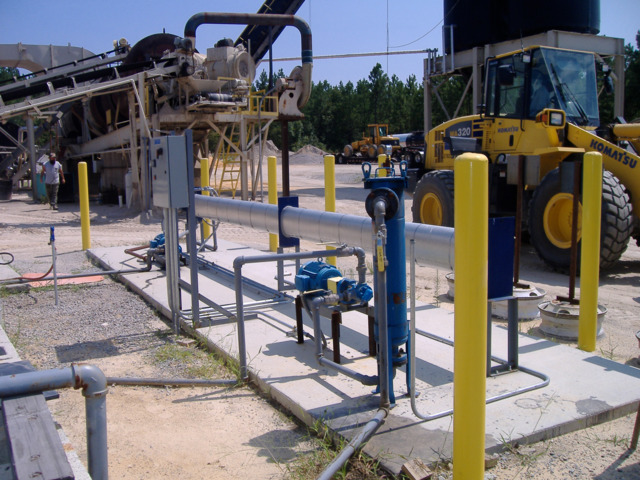
The Heat Is On
Keep current with heating choices at your asphalt plant
There’s no getting around the fact that asphalt plants consume a lot of energy. And energy choices, especially as they relate to producing heat for asphalt, hot oil and the drying/heating of aggregates, can have a significant impact on the overall operating costs of an HMA plant. Operators often make energy choices for heating their plant’s components based on current energy pricing trends. But the cost of natural gas, LP gas, fuel oils and electricity have all fluctuated over the years.
There was a time when fuel oil was the low-cost leader. A decade ago, electricity became far cheaper than fossil fuels to use for heat. Today, the least expensive form of energy for heat seems to be natural gas. But producers often overlook the fact that their energy choices create impacts that go beyond operational costs, and what seems to be a simple challenge actually requires additional considerations to reach optimal efficiency. When choosing an asphalt heating method, it’s important to look at the entire picture. Cost-per-unit of energy to heat asphalt and oil is certainly part of the puzzle – but it is not the only cost. Also important is the heater’s thermal efficiency. A small difference in efficiency can make a big difference in how much fuel a heater burns over its lifetime.
To read the entire article on www.forconstructionpros.com, Click Here.